Our blog

Zero Trust and Video Calls: What to Expect
Zero Trust stopped being a buzzword years ago — NIST formalized it in 2020, US federal agencies have been mandated to implement it since 2022, and the EU's NIS2 Directive pushes toward the same continuous, risk-based model. The real question now isn't what Zero Trust is, but what it concretely means once it reaches real-time video: per-session access instead of perimeter trust, device and identity posture for every participant, why the media server itself needs to be pushed out of the trust boundary (MLS, SFrame), and a genuine tension with GDPR's data-minimisation principle worth naming honestly.

OpenVidu 3.0 Is Generally Available: LiveKit's SDKs, Mediasoup's Performance
OpenVidu 3.0 has reached General Availability — a rebuilt core on LiveKit's own API and SDKs, with mediasoup now available as a production-ready alternative engine in PRO for roughly 2x the performance of stock LiveKit, and a simplified PRO-only pricing model. Since OpenVidu 2 won't get further security patches or upgrades, here's what migrating actually takes for PRO/Enterprise and Community Edition alike.
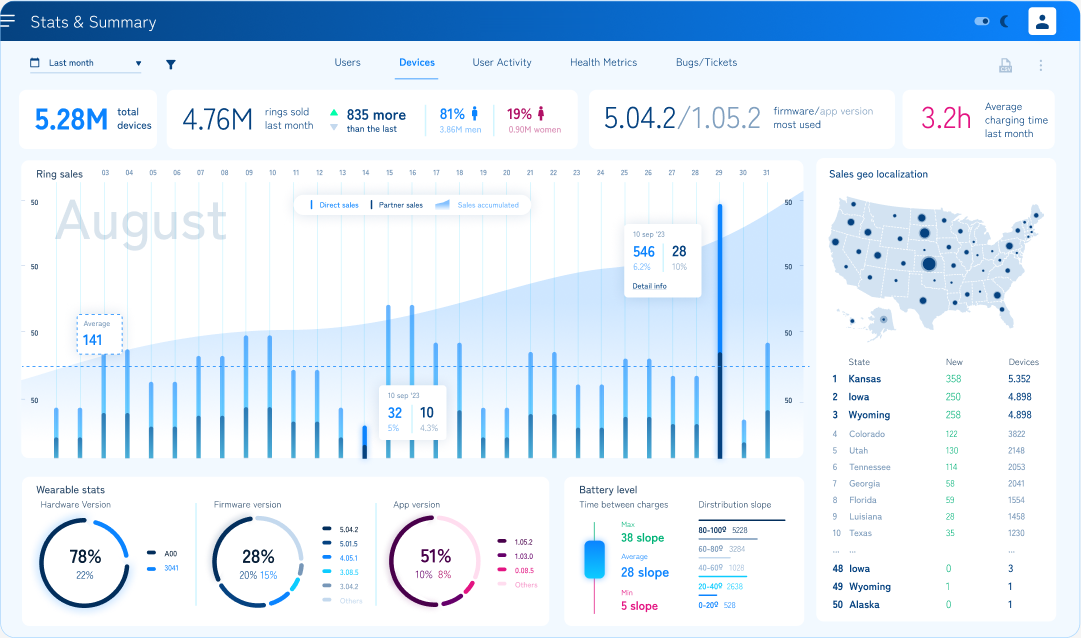
Dashboards on Top of an AWS Data Pool: A Smart-Ring Case Study
How we built the internal management portal for a smart-ring maker, a business wallboard and a support view down to per-second signals, on top of a PostgreSQL data pool in AWS, and what we learned about charting health data in a browser.

Why Some Call Centers Need a Silent Observer — and Why That Demands More Auditing, Not Less
Consumer video-call apps have no concept of a participant who's present but not announced — yet some call-center use cases genuinely need one, for quality auditing or compliance. The same feature that makes silent observation possible is also the one most likely to be abused, which is exactly why it demands more auditing built around it, not less.
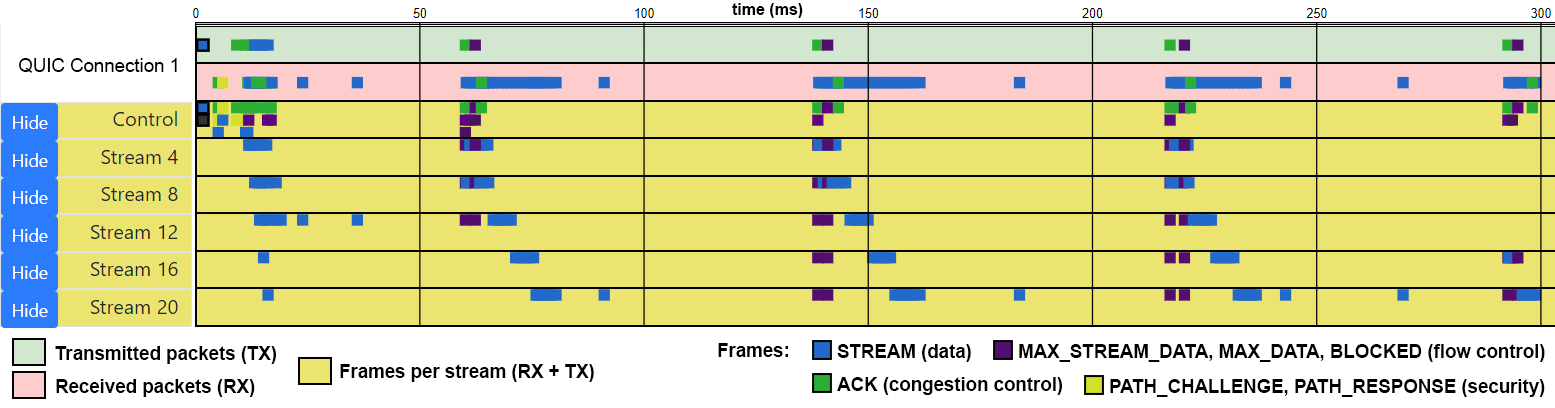
QUIC vs TCP/UDP: Rethinking Transport for WebRTC Media
A deeper technical look at what QUIC actually changes at the transport layer — multiplexed streams, pluggable congestion control, and connection migration — and what any of that concretely means for WebRTC engineers today.

One Expert, Every Site: Remote Visual Assistance for Specialized Maintenance
A real case study in why the client's own everyday video tools — Teams, Zoom, Meet — weren't the right fit for one specific situation: an active incident at a remote site, where an expert needs pre-configured sessions loading live IP cameras and IoT data, a whole on-site team seen and heard at once, and a completely asymmetric control model no meeting app is built for.