WebRTC

Streaming to Thousands: Architecting Massive-Scale Live Video Events
Case StudyWebRTCA real case study in a different kind of custom video problem: not a call at all, but large-scale live video distribution (a handful of active presenters, a large audience watching and participating through chat) that had to scale from a handful of viewers to thousands without paying for idle servers in between events.

Quasar Customization for Reactive, Configurable WebRTC Interfaces
QuasarWebRTCWhat we learned customizing Quasar for a multi-tenant video-meeting application, where every WebRTC event has to show up immediately and every customer organization wants its own rules, and where Quasar made the job faster than assembling the pieces ourselves.

WebTransport and RTP-over-QUIC: What Might Come After WebRTC
QUICWebRTCWe closed the last post in this series with a promise: the real bridging work between QUIC and WebRTC media is happening at the IETF, not inside any product. Here's what that work actually looks like today — WebTransport, RTP-over-QUIC, and Media over QUIC — and an honest account of how far each one has actually gotten, not just what it might eventually enable.
QUIC vs TCP/UDP: Rethinking Transport for WebRTC Media
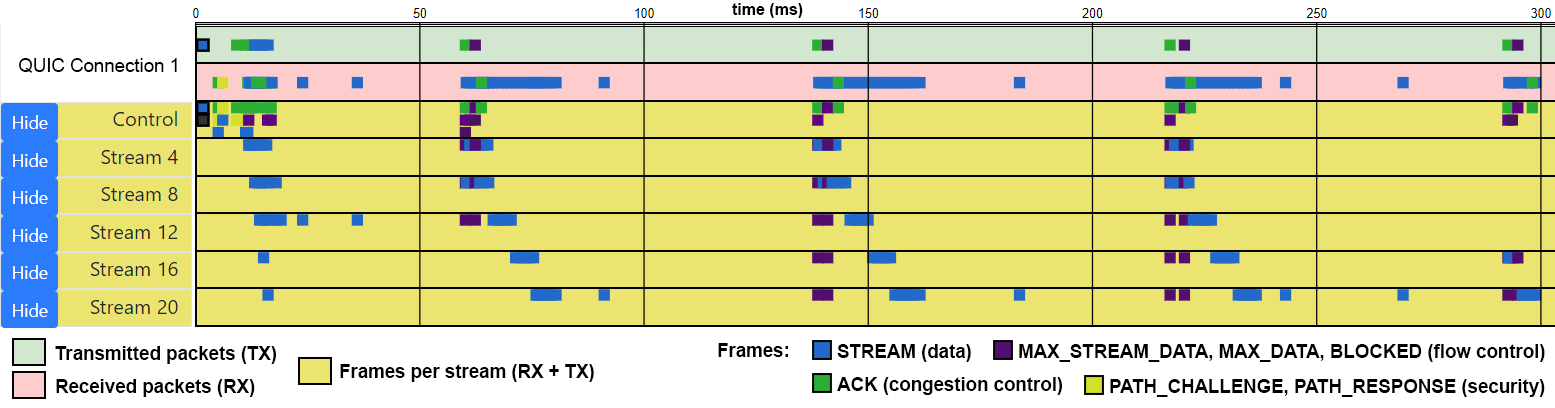
QUICWebRTCA deeper technical look at what QUIC actually changes at the transport layer — multiplexed streams, pluggable congestion control, and connection migration — and what any of that concretely means for WebRTC engineers today.

Is QUIC the Transport Layer Real-Time Apps Have Been Waiting For?
QUICWebRTCTCP is reliable but rigid, UDP is flexible but bare, and WebRTC bridges the gap at the cost of real complexity. A look at why real-time applications keep straining against the traditional transport stack, and why QUIC — built on UDP, with encryption, multiplexing, and fast handshakes built in — might be the transport layer real-time apps have been missing.
Kurento will be in 4YFN at Barcelona
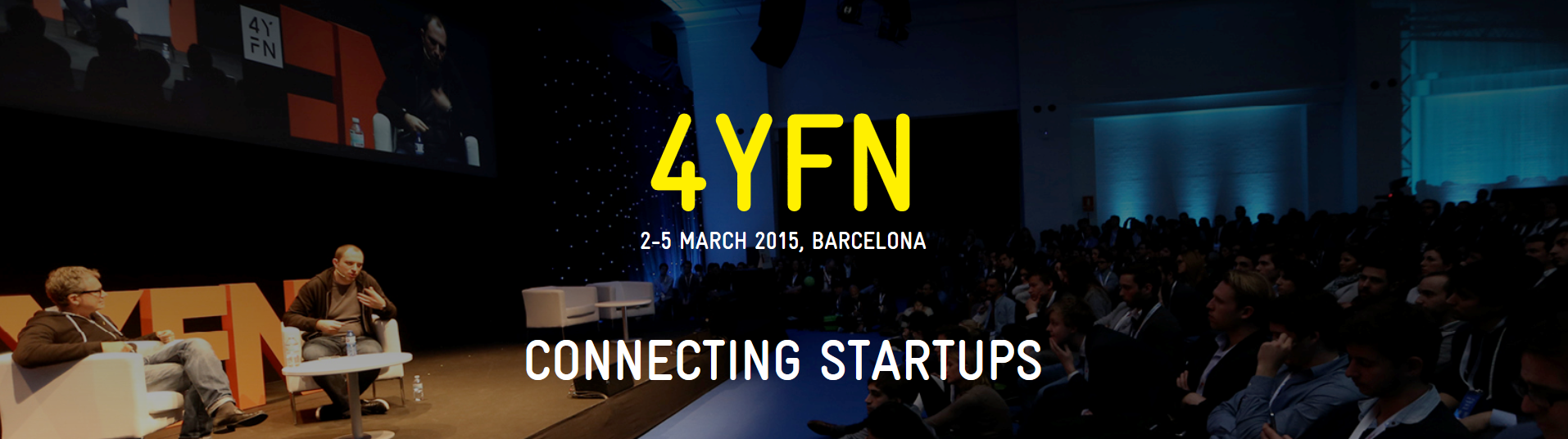
KurentoWebRTCKurento presented its WebRTC, computer vision, and augmented reality toolbox at the 4YFN startup event in Barcelona, part of Mobile World Congress.
Kurento: Best Of Show at WebRTC Conference 2014, Paris
KurentoWebRTCKurento won the Best of Show award at WebRTC Conference 2014 Paris, demonstrating an FI-Ware crowd-detection service.
WebRTC Conference and Expo V
KurentoWebRTCKurento is a gold sponsor of WebRTC Conference and Expo V in San Jose, presenting its newly released version 5 and a Developer track talk by Luis López.
Kurento at DevCon5 in New York
KurentoWebRTCKurento project leader Luis López gave a keynote at DevCon5 New York on building real-time interactive media applications.
Kurento awarded among the most innovative technologies
KurentoWebRTCNewsKurento was named a winner of the WebRTC Pioneer Awards at WebRTC Conference and Expo IV.