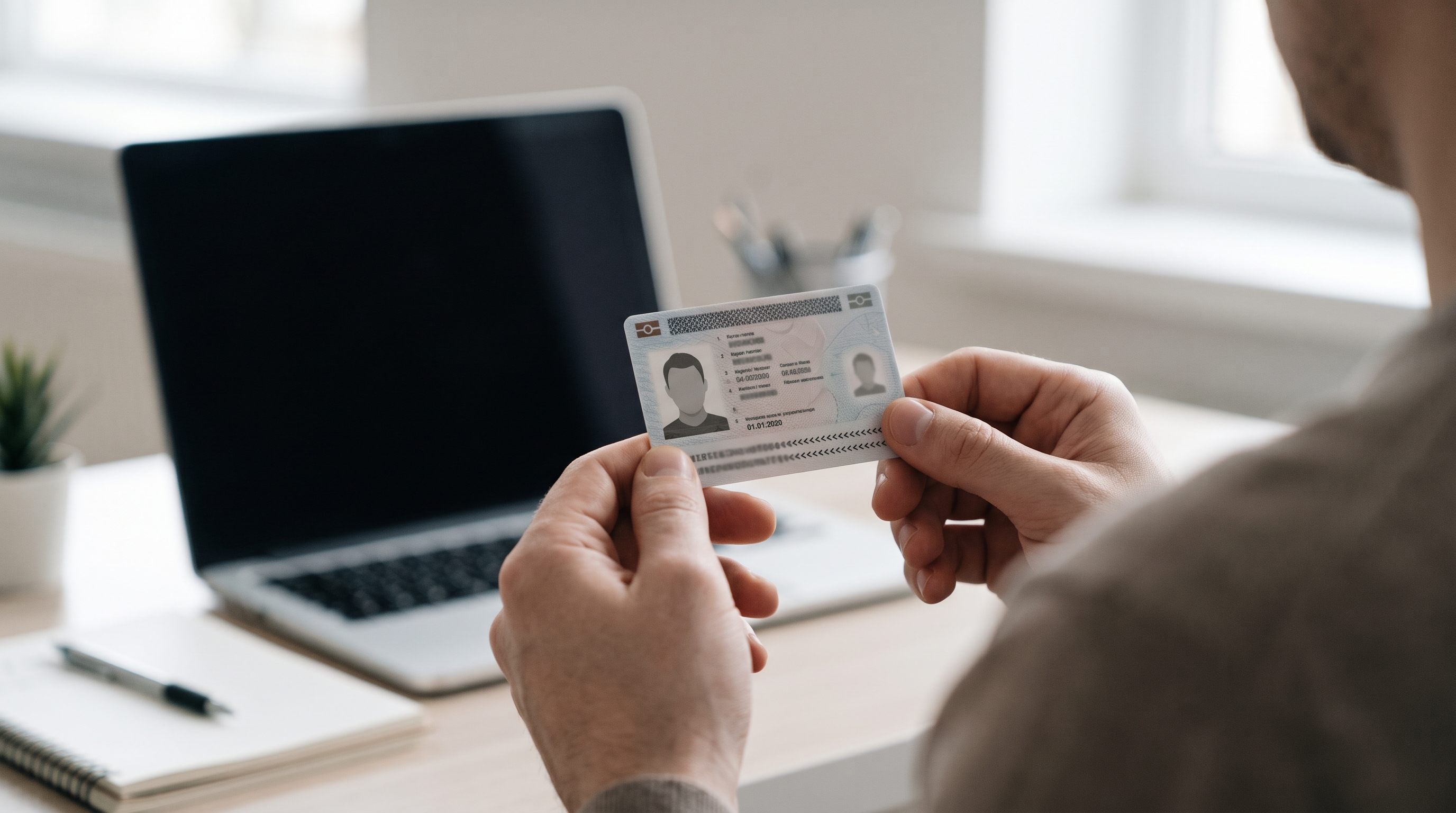
Proof-of-Life Video Identification for Digital Onboarding, Built on Kurento
Case StudyKurentoIdentity VerificationIecisa had already designed a system letting remote customers prove, on video, that they were really there for identity verification — and it already had real clients. Naeva Tec came in as Kurento media-pipeline consultants on that system.
Context
Iecisa was building a product letting banks and other regulated businesses onboard customers remotely instead of requiring a branch visit. Remote onboarding under KYC (Know Your Customer) and AML (Anti-Money Laundering) rules has a specific legal bar to clear: it's not enough to collect a photo ID, the business also has to establish, to a standard regulators accept, that the person completing the process is a real, present, living individual — not a photo, not a prerecorded clip, not someone else's documents.
By the time Naeva Tec got involved, this wasn't a concept Iecisa was still validating. They had already designed and built a working system around it, running in production for real onboarding clients: record a short video call with the applicant, then hand that recording to a separate service that checked and validated it against the legal requirements for a proof-of-life check.
The project
Iecisa's own team designed and built the system end to end: Kurento as the WebRTC media server and recording pipeline, with a custom API around it driving the single-applicant call-and-record flow and handing the resulting file off to validation. Naeva Tec's role was expert consultancy on that Kurento layer — helping shape how the media pipeline captured and recorded each call reliably, and advising on the kind of issues that only show up once a Kurento-based system is running in production, against real applicants on real networks, rather than in a controlled test.
Our role
- Consulting on the Kurento-based media pipeline behind the system's video-capture and recording flow.
- Advising on the custom API design wrapping that Kurento pipeline.
- Helping troubleshoot and harden the recording flow so the files it produced reliably met what the downstream legal validation step needed.
Technologies
- Kurento, for the WebRTC media server and recording pipeline.
- A custom API layer, built by Iecisa around that Kurento pipeline.
Conclusion and lessons learnt
The system Iecisa built, with Naeva Tec's Kurento consultancy, was already doing real work: real applicants, real recordings, real compliance reviews downstream. That track record is what later justified rebuilding the video layer for a much larger scale of production use, across a far wider range of devices and network conditions than this first system had to handle. We cover that migration, to OpenVidu, in a separate case study.