Proof of Life on Video: Closing the Gap a Photo ID Leaves Open
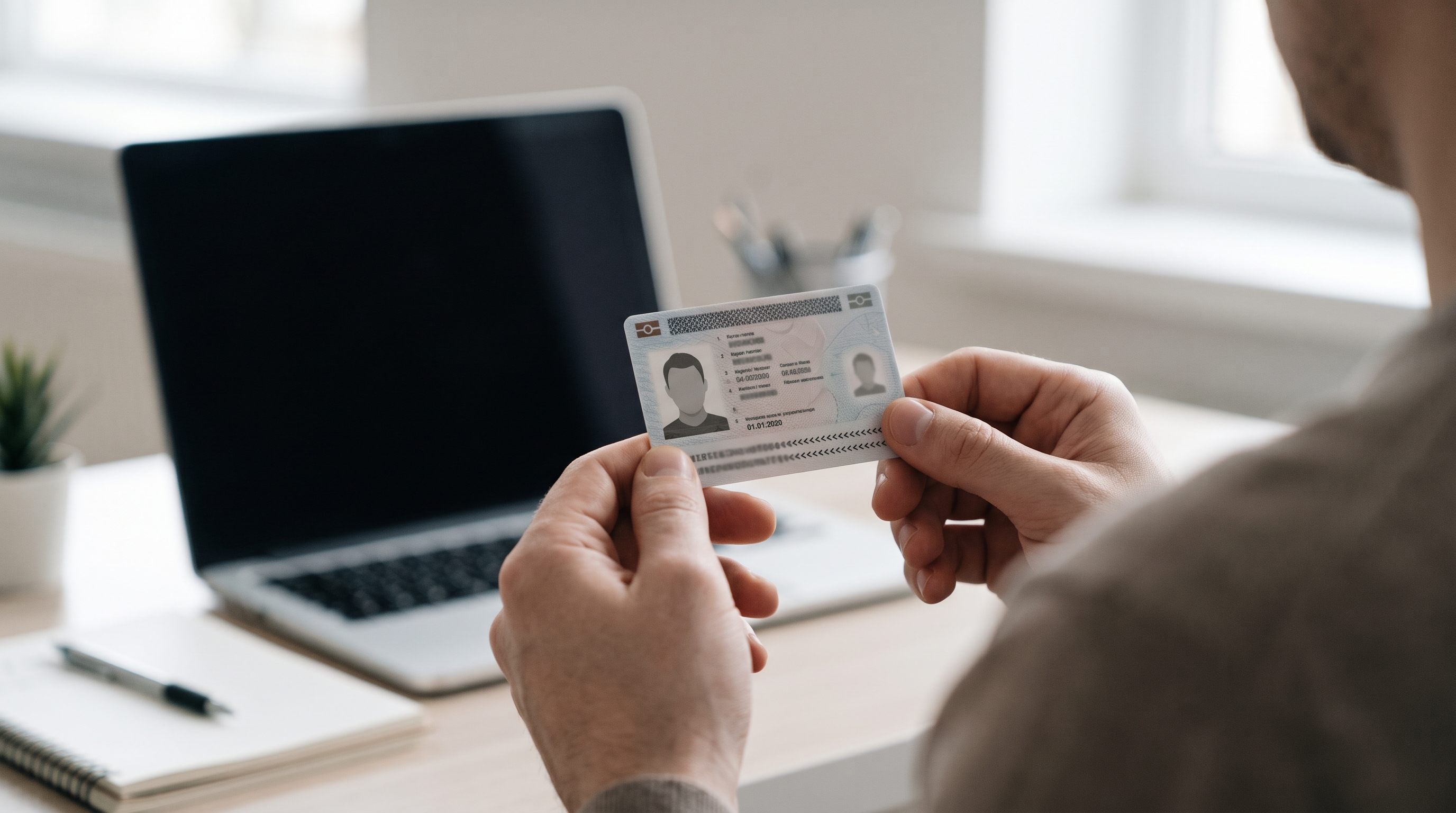
Remote customer onboarding sounds simple from the outside: upload an ID, maybe a selfie, done. The regulations behind KYC (Know Your Customer) and AML (Anti-Money Laundering) compliance ask for something stricter than that, and the gap between the two is where a lot of onboarding products actually live or die.
The gap a photo doesn't close
A photo ID and a selfie prove that a document exists and that a face resembles it. They don't prove that the person on the other end is present right now, alive, and acting of their own will — the thing regulators mean by "proof of life." That distinction matters because the failure modes it's meant to catch are specific: someone using a stolen identity document with a static photo that merely resembles it, or completing onboarding on someone else's behalf without their knowledge.
A live video call is one of the more direct ways to close that gap, precisely because it's hard to fake convincingly in real time. That's also why it's worth building deliberately, rather than bolting a "video call" feature onto an onboarding flow and assuming the compliance box is now checked.
Built and proven before it was a platform feature
Iecisa already had a system doing exactly this, in production, for real onboarding clients, before Naeva Tec got involved. It did one thing, deliberately: record a single applicant's video call, start to finish, and hand that recording to a separate compliance step that checked and validated it against the legal bar for a proof-of-life check. Naeva Tec came in as Kurento consultants on that system's media pipeline. We go through how that worked in our project case study.
Keeping that first system's scope this narrow was deliberate on Iecisa's part, not a limitation of an early prototype. The question that mattered wasn't whether a full onboarding product could eventually be built around it — it obviously could. It was whether a recorded video call could carry real evidentiary weight for this specific legal requirement, and real clients were already relying on the answer being yes.
What the recording is for
Framed this way, the video call in a flow like this has one job: generate evidence, not hold a conversation. A document and a biometric check — products like Express ScanDNI handle that side of identity verification — tell you a person matches an ID. The video call, recorded and preserved, is what lets a compliance reviewer later confirm that a specific, present, living person was the one who went through the process, at a specific point in time, instead of trusting that assumption on faith.
That's a narrower job than most video-call products are built for, and it shows up in the engineering: what the call needs to capture, how long it needs to run, what counts as a usable recording. We cover what changed once this system had to scale into something running inside a far stricter security environment, across far more devices and networks than its first version ever saw, in a follow-up post.